Concrete Repair vs Replacement: Which Is the Better Option?
Choosing between concrete repair and replacement helps restore safety and appearance, and local contractors can evaluate your needs to recommend the best solution.
If you're facing issues with cracked or deteriorating concrete on your property, understanding the differences between concrete repair and replacement can help you make informed decisions. Property owners in the area often explore this topic to determine the most practical and cost-effective way to restore their surfaces, whether it’s a driveway, patio, or foundation. Choosing the right approach can impact the longevity, appearance, and safety of your concrete, making it essential to consider all options carefully. Local contractors specializing in concrete services can assess your specific situation and recommend solutions that best suit your needs.
Deciding between repairing damaged concrete or opting for a full replacement depends on several practical factors, including the extent of deterioration and your long-term goals. Concrete repair services can often restore strength and appearance without the need for complete removal, while replacement might be necessary for severe issues. Property owners interested in making the most informed choice can benefit from insights provided by experienced local service providers, who can evaluate your concrete’s condition and help determine which option aligns with your priorities. Keep reading to learn more about the benefits and considerations of each approach.
- Concrete repair services are suitable when cracks, surface damage, or minor structural issues are present, and local contractors can restore the concrete’s integrity efficiently. Replacement services are often needed when the concrete is severely deteriorated, extensively cracked, or has foundational problems that repair cannot address adequately. Local service providers evaluate the extent of damage to determine if repair methods will suffice or if full replacement is the better option. In cases of surface staining or minor surface imperfections, concrete repair offers a cost-effective and timely solution, with local pros applying appropriate patching or sealing techniques. When structural stability is compromised or the concrete has reached the end of its lifespan, local contractors typically recommend replacement to ensure safety and long-term durability.
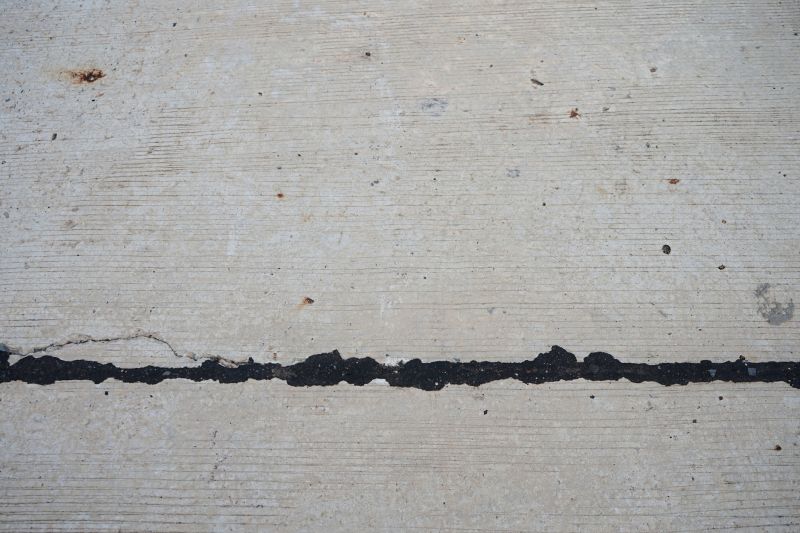
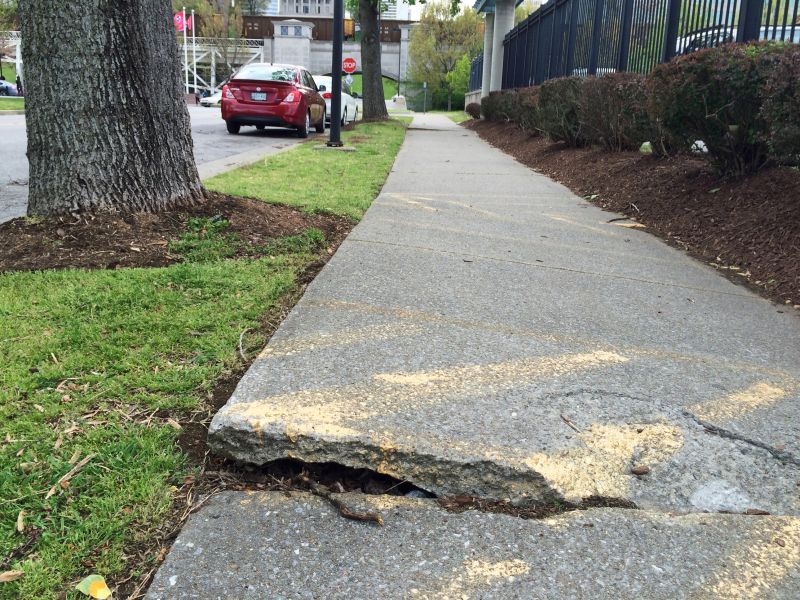
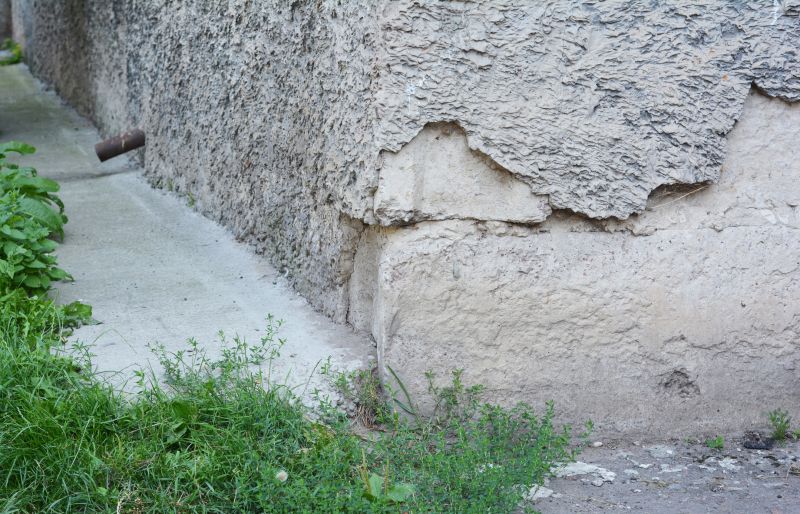
When homeowners search for information about concrete repair versus replacement, they are often trying to determine the most effective way to address issues with existing concrete surfaces. These searches typically relate to problems like cracking, spalling, unevenness, or deterioration that compromise the safety, appearance, or functionality of driveways, patios, sidewalks, or basement floors. Many property owners want to understand whether a simple repair can restore their concrete or if a complete replacement is necessary. This decision is especially relevant when planning renovations or maintenance for residential properties, commercial buildings, or multi-unit complexes, where durable and visually appealing concrete is essential for daily use and overall property value.
Concrete repair and replacement are connected to a variety of property types, including single-family homes, apartment complexes, retail storefronts, and industrial facilities. For homeowners, the focus is often on driveways, walkways, or garage floors that have developed cracks or surface damage over time. Commercial property owners might be concerned with large concrete slabs, loading docks, or parking lots that show signs of wear. In many cases, the choice between repairing or replacing concrete depends on the extent of damage, the age of the concrete, and the specific needs of the property. Local service providers who specialize in concrete work can assess these factors and recommend the most suitable solution based on the condition of the existing surfaces.
Understanding the differences between concrete repair and replacement is crucial for property owners considering their options. Repair work typically involves methods like patching cracks, sealing surfaces, or resurfacing to extend the life of existing concrete. Replacement, on the other hand, involves removing damaged concrete and pouring new slabs, which may be necessary if the damage is extensive or structural integrity is compromised. Local contractors who offer both services can evaluate the severity of the damage and help property owners weigh the benefits of each approach. They can also advise on how repair might be a cost-effective, quicker solution for minor issues, while replacement might be the better choice for long-term durability in severe cases.
Choosing between concrete repair and replacement ultimately depends on the specific project, budget, and desired outcome. For minor surface issues or cracks, repair options can often restore the concrete’s appearance and function without the need for full replacement. However, if the concrete has suffered significant structural damage, extensive cracking, or has become unsafe, replacement may be the necessary route. Local concrete service providers are equipped to handle both types of work and can guide property owners through the decision-making process. Connecting with experienced contractors ensures that the chosen approach aligns with the condition of the property and provides a durable, functional solution for years to come.
Foundation Repair - foundation repair projects often require similar assessment, planning, and repair techniques as concrete repair and replacement jobs, utilizing specialized tools and materials.
Driveway Resurfacing - driveway resurfacing involves surface preparation and application skills comparable to concrete repair, with local contractors ensuring proper adhesion and finish.
Patio and Walkway Construction - building or restoring patios and walkways demands knowledge of concrete mixing, leveling, and finishing, aligning with skills used in concrete repair services.
Garage Floor Coating - applying coatings to garage floors requires surface preparation and sealing techniques similar to those used in concrete repair and replacement projects.
Structural Crack Repair - addressing structural cracks in various concrete elements involves assessment and repair methods akin to those used in concrete repair services.
Industrial Concrete Services - industrial projects often require large-scale concrete work, involving planning, heavy tools, and repair techniques comparable to residential concrete replacement tasks.
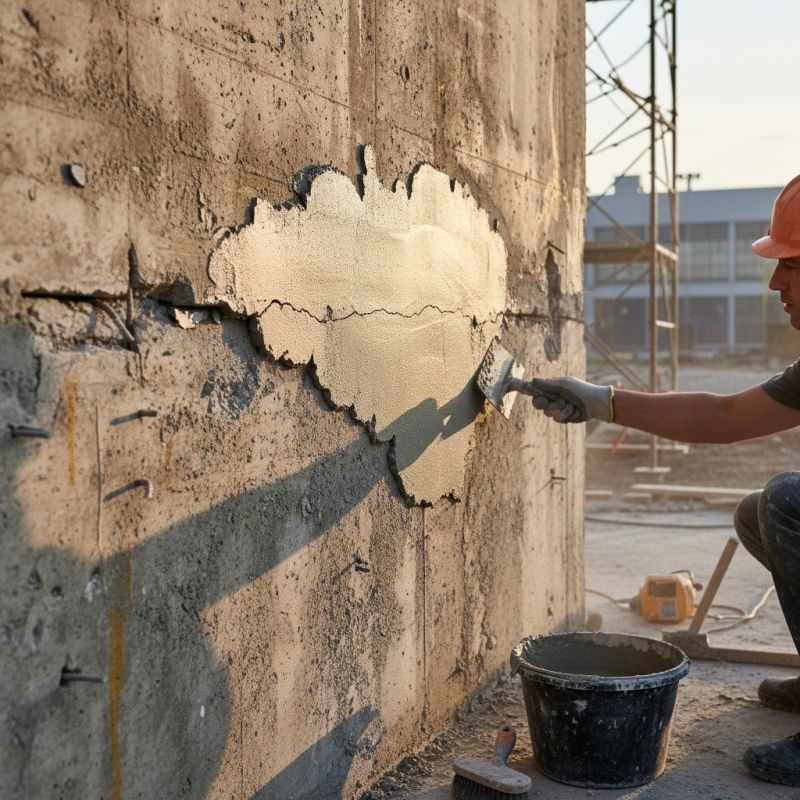
When comparing concrete repair versus replacement, it’s important to evaluate the experience of local contractors with similar projects. Homeowners should seek service providers who have a proven track record of handling concrete issues comparable to their own, whether it involves cracks, uneven surfaces, or structural concerns. Contractors with relevant experience are more likely to understand the nuances of different repair techniques and know when a repair is sufficient or when replacement might be necessary, helping to ensure the most appropriate solution is chosen for the specific situation.
Clear, written expectations are essential when working with local contractors on concrete services. Homeowners should look for providers who can offer detailed descriptions of the work involved, including the scope of repairs or replacement, materials used, and the anticipated outcomes. This transparency helps set realistic expectations and provides a basis for comparing different service providers. Well-documented plans also serve as a reference throughout the project, reducing misunderstandings and ensuring everyone is aligned on what the work will entail.
Reputable references and good communication are key factors in selecting the right local contractor for concrete repair or replacement. Homeowners are encouraged to ask for references or reviews from previous clients who had similar work done, as these can provide insight into the contractor’s reliability and quality of work. Additionally, service providers who communicate clearly and promptly tend to be more responsive to questions and concerns, making the overall process smoother. Choosing a contractor with a reputation for transparency and effective communication can help ensure the project proceeds as planned and meets expectations.
Property owners often search for concrete repair vs replacement: which is the better option? when they are planning practical projects around their homes and businesses. Local pros provide Concrete Repair or Replacement services for everyday jobs and straightforward project options.
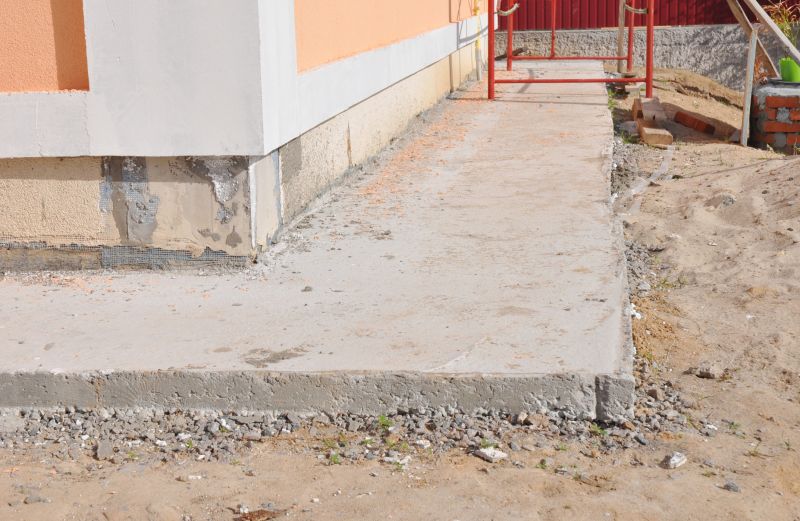
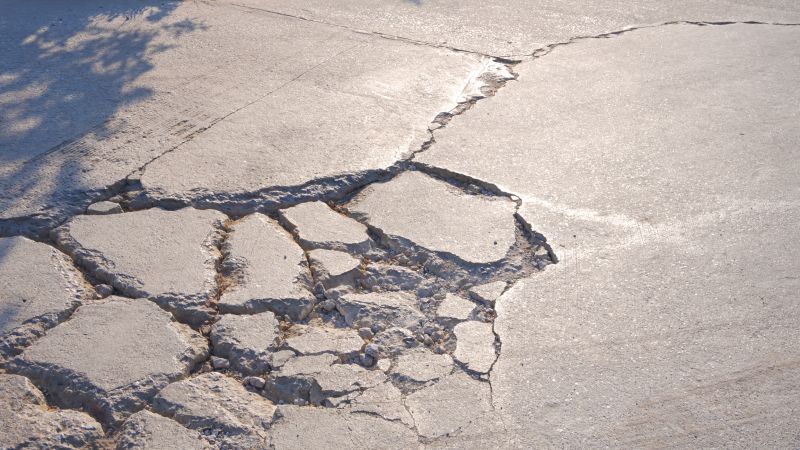
When property owners notice cracks, uneven surfaces, or signs of deterioration in their concrete, they often wonder whether repair or replacement is the better choice. For many, concrete repair services offered by local contractors provide a practical solution to restore the surface without the need for a full replacement. Repair options are typically suitable for minor damage, such as small cracks or surface spalling, helping to extend the lifespan of existing concrete and improve appearance with minimal disruption.
However, in cases where the concrete is severely damaged, heavily cracked, or has reached the end of its functional life, replacement might be the more effective solution. Local contractors can assess the condition of the concrete to determine if repair will be sufficient or if a full replacement is necessary for long-term durability. Understanding the differences between concrete repair and replacement can help property owners make informed decisions about which service best meets their needs and ensures a safe, stable surface for years to come.
When should concrete repair be considered instead of full replacement? Concrete repair is typically suitable when damage is localized, such as cracks or surface deterioration, and the underlying structure remains sound. Local contractors can assess whether repairs will restore the concrete’s integrity or if replacement is necessary.
Can concrete repair extend the lifespan of my existing concrete? Yes, proper repair can significantly prolong the life of existing concrete by addressing issues like cracks, spalling, or surface damage, preventing further deterioration. Service providers can advise on the most effective repair methods for your situation.
Is replacement always the better option if concrete is severely damaged? Not necessarily. Severe damage may sometimes require replacement, but in some cases, extensive repairs or partial replacements by local contractors can be a more cost-effective and less invasive solution.
How do I determine whether repair or replacement is more practical for my concrete? A professional assessment by local contractors can evaluate the extent of damage, structural integrity, and overall condition to recommend whether repair or replacement is the better option.
Are there situations where both repair and replacement are needed? Yes, in cases where some areas are repairable while others are too damaged, local service providers might suggest a combination of repair and partial replacement for optimal results.
Assessing damage for repair or replacement - Property owners can evaluate the extent of concrete damage to determine if repairs will restore the surface or if replacement is necessary, with guidance from local contractors.
Choosing the right repair method - Deciding between patching, sealing, or resurfacing can extend the life of existing concrete, and local service providers can recommend the most effective options for specific issues.
Planning for long-term durability - Considering the age and condition of concrete helps property owners decide if repairs are sufficient or if replacement offers a more lasting solution, with advice from experienced local contractors.
Matching new concrete to existing surfaces - When replacing concrete, selecting matching finishes and textures ensures a cohesive look, and local pros can assist with blending new work seamlessly into existing structures.
If you are thinking about concrete repair vs replacement: which is the better option? for a property, this guide is meant to help you understand this topic, the typical project types, and how different options might fit your plans.
When you are ready, you can use the quote form on this page to share a few details about your project. From there, local pros can review the basics and follow up with options that match what you have in mind.