
Top-Rated Products for Concrete Patch and Repair Applications
Get insights into the most popular products that simplify patching and restoring concrete surfaces with professional quality.
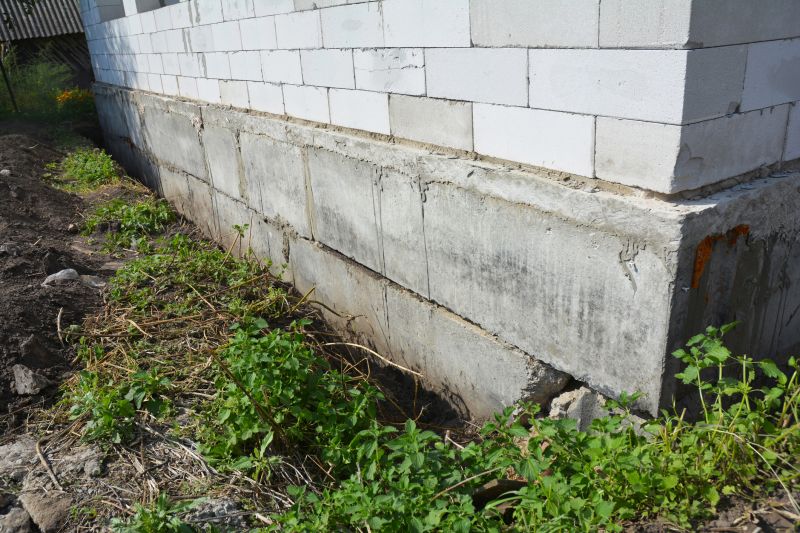 Concrete repair products are essential tools for maintaining the integrity and appearance of concrete surfaces in residential, commercial, and industrial settings. Whether dealing with small cracks, surface spalling, or deeper structural issues, choosing the right repair materials can ensure longevity and durability. These products are formulated to adhere well to existing concrete, resist environmental factors, and accommodate movement or settling over time. Proper application and selection can help prevent further deterioration and extend the lifespan of concrete structures.
Top Overall Option
Multi-Purpose Concrete Repair Mix
A versatile concrete repair mix designed for a wide range of applications, offering excellent adhesion, workability, and durability. Suitable for filling cracks, patching surfaces, and restoring structural elements, this product adapts to various repair scenarios. Its ease of use makes it suitable for both DIY projects and professional repairs, providing a reliable solution for maintaining concrete surfaces over time.
Types of Products For Concrete Repairs
Crack Filler
Specialized products formulated to fill and seal cracks in concrete surfaces, preventing water ingress and further deterioration.
Patch Mixes
Ready-to-use mixes designed for repairing damaged or spalled concrete areas, providing a smooth, durable surface.
Epoxy Resins
High-strength bonding agents used for structural repairs, bonding new concrete to existing surfaces or filling deep cracks.
Polyurethane Sealants
Flexible sealants ideal for sealing joints and cracks that experience movement, helping to prevent water and debris intrusion.
Surface Hardeners
Products that penetrate existing concrete to improve surface hardness and resistance to wear and abrasion.
Waterproof Coatings
Protective coatings applied over repaired surfaces to prevent water penetration and enhance longevity.
Concrete Resurfacing Products
Thin overlays and coatings used to restore the appearance and surface integrity of worn or damaged concrete.
Bonding Agents
Primers that improve adhesion between old and new concrete layers, ensuring cohesive repairs.
Fast-Setting Repair Compounds
Quick-curing products suitable for urgent repairs or projects requiring minimal downtime.
Deep Penetrating Sealers
Sealants that penetrate deeply into concrete to block water and salts from causing damage.
Flexible Repair Mortars
Mortars with elasticity to accommodate slight movements in concrete structures, reducing crack formation.
Concrete Densifiers
Chemical treatments that increase surface density and durability of concrete surfaces.
Quick Patch Kits
All-in-one kits for small repairs, including patch material and bonding agents for convenience.
Chemical Hardeners
Products that react with concrete to increase surface hardness and resistance.
Anti-Corrosion Coatings
Protective layers that prevent corrosion of embedded reinforcement in concrete.
Popular Choices
Widely used for various patching and filling tasks, appreciated for its ease of application and reliable performance.
Popular for quick repairs of surface cracks, enabling prompt sealing and protection.
Commonly chosen for structural crack repairs, providing strong bonding and stabilization.
Valued for sealing joints and cracks that require flexibility and movement accommodation.
Frequently used for restoring damaged concrete surfaces with a durable finish.
Popular for renewing worn or stained surfaces with a thin decorative layer.
Chosen to protect concrete foundations and surfaces from water damage.
Commonly used to ensure good adhesion between old and new concrete layers.
Trusted for long-term moisture protection in concrete structures.
Ideal for areas subject to movement, such as joints and expansion areas.
Popular for increasing surface durability in high-traffic areas.
Convenient for small repairs, offering all necessary components in one package.
Used to protect embedded reinforcement from rusting and deterioration.
Chosen for decorative or protective overlays on existing concrete.
Popular for restoring structural integrity and sealing cracks effectively.
Applied to improve surface resistance to wear and abrasion.
Applied to reduce dusting and improve surface finish.
Used to seal expansion and control joints for flexibility and water resistance.
When addressing concrete damage, it is important to understand the specific type of repair needed. Surface patches may require different products compared to structural repairs that involve filling deep cracks or restoring load-bearing elements. Many repair products are designed for ease of use, allowing both professionals and DIY enthusiasts to achieve satisfactory results. Preparing the surface properly, following manufacturer instructions, and selecting the appropriate product type are key steps toward successful repairs.
In addition to repair compounds, there are bonding agents, sealants, and protective coatings that enhance the performance of repairs and safeguard against future damage. For best results, it is advisable to consider the environment where the concrete is located, such as exposure to moisture, temperature fluctuations, or chemical exposure. Regular maintenance and timely repairs can help preserve the structural integrity and aesthetic appeal of concrete surfaces over time.
By understanding the variety of products available and their specific applications, users in Englewood, CO, and beyond can better address their concrete repair needs. Whether tackling small cracks or major restoration projects, selecting the right materials can make a significant difference in the durability and appearance of concrete structures.
Key Buying Considerations
- Identify the specific type of damage or deterioration in the concrete to select the appropriate repair product.
- Determine whether a surface patch, crack filler, or structural repair is needed based on the severity and depth of damage.
- Consider the environmental conditions, such as exposure to moisture, chemicals, or temperature fluctuations, to choose suitable protective coatings or sealants.
- Evaluate the ease of application, especially if the repair is a DIY project, and select products with clear instructions and manageable workability.
- Check the curing time and setting characteristics to plan your repair schedule accordingly.
- Ensure compatibility of repair materials with existing concrete to prevent adhesion issues or future cracking.
- Assess the durability and resistance properties of the product, especially for high-traffic or load-bearing areas.
- Look for products that provide flexibility if the concrete is subject to movement or expansion.
- Consider whether the product offers waterproofing or moisture resistance for additional protection.
- Review the manufacturer's instructions for surface preparation requirements to maximize adhesion and longevity.
- Determine if the repair product is suitable for indoor or outdoor use, depending on the location of the concrete surface.
- Evaluate the long-term maintenance needs associated with the repair materials chosen.
- Check for compatibility with any existing coatings or sealants on the concrete surface.
- Consider budget constraints but prioritize quality and suitability for the specific repair task.
- Consult with a professional if unsure about the appropriate product for complex or large-scale repairs.